
Make Money Online: Where a Good Idea Actually Turns Into Income

Fresh Guides on Blogging, Freelancing, and Passive Income
How Long Does It Take a Blog to Make Money? A Month-by-Month Timeline
How long does it take a blog to make money? A realistic month-by-month timeline covering traffic, first income, ad network thresholds, and what speeds it up.

Affiliate Marketing Without a Website: 6 Methods That Actually Pay
Yes, affiliate marketing without a website works. Here are 6 methods, from YouTube to email, with the program rules, disclosure needs, and pitfalls to avoid.
Freelance Contract Basics: What to Include Before You Start
A freelance contract protects your time and your pay. Learn what to include, how to ask clients to sign, and mistakes beginners should avoid.
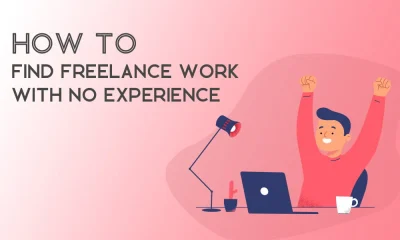
How to Get Freelance Writing Clients With No Experience (A 30-Day Plan)
How to land freelance writing clients with no experience in 30 days. Build samples, pick a niche, pitch the right businesses, and price your first jobs.
How Much Does It Cost to Start a Blog in 2026? Real Numbers by Budget
The real cost to start a blog in 2026, broken down by budget. See what you actually need in year one, what to skip, and where beginners overspend.
Google Spam Update 2026: What Bloggers Should Check Now
The Google spam update ended October 8, 2026. Here is what changed, how to check your traffic, and what bloggers should fix first.
You have an idea. Maybe it’s a blog you keep meaning to start, a skill you could freelance out, or a side project that’s been sitting in your notes app for six months. The gap between having that idea and making money online from it isn’t talent. It’s usually a missing roadmap.
That’s what Idea To Post is built for. We cover blogging, freelancing, passive income, work from home careers, and the tools that make all four sustainable, without the recycled “10 easy ways to get rich” filler that dominates this space. If you’ve searched for how to make money online and landed on ten articles saying the same five things, you already know the problem. Most of it is written by people who’ve never actually done it.
We have. This site runs on the same principles it teaches: real content, built consistently, aimed at a genuine audience. Everything published here reflects what actually works, what takes longer than expected, and what quietly fails no matter how good it looks in a screenshot.
What You’ll Actually Find Here
Idea To Post is organized around five categories, and each one exists because readers kept asking about it.
Blogging covers the mechanics of starting a blog that makes money: niche selection, hosting, SEO basics, monetization sequencing, and the timeline nobody wants to admit (most blogs take 8 to 12 months before they earn anything meaningful). Freelancing Skills walks through which skills convert into paid work fastest, how to price them, and how to land clients without burning three months on a portfolio nobody sees.
Passive Income separates the income streams that are genuinely passive from the ones marketed that way but still eat 10 hours a week. Work From Home covers remote roles, schedules, and the operational reality of working outside an office. Tools & Resources rounds it out with the software and platforms that save time without adding another subscription you’ll forget to cancel.
Every piece is written by someone who has either built the thing being described or spent real time researching it against what’s currently working in the market, not what worked in 2019.
How to Make Money Online in 2026: The Honest Version
Search “how to make money online” and you’ll get lists of 30, 50, sometimes 69 ideas stacked on top of each other. Long lists feel comprehensive. They rarely help. Most people don’t need more ideas. They need to know which two or three actually fit their time, skills, and risk tolerance, and then a clear path through one of them.
Broadly, online income breaks into three categories: active income (freelancing, remote jobs, consulting, where you trade hours for pay directly), compounding income (blogging, YouTube, content platforms, where the first months feel slow and the payoff builds later), and product-based income (digital products, templates, self-published books, where the upfront work is heavier but each sale afterward costs you almost nothing).
None of these are passive on day one. A food blogger who publishes a recipe eBook still spent weeks writing and testing it before it produced a single dollar. A freelancer earning by month two put in unpaid pitching time in month one. The “passive” label gets applied after the setup work, not instead of it. If a page promises income with zero time investment, that’s the first sign to close the tab.
What’s changed heading into 2026 is speed and competition. AI tools have compressed the time it takes to produce content and services, which means the bar for quality has gone up, not down. A blog with thin, generic posts won’t rank the way it might have three years ago. A freelancer offering only what ChatGPT can already do struggles to justify their rate. The opportunity hasn’t shrunk. It’s shifted toward people who add something a template can’t: original insight, direct experience, a specific point of view.
Blogging: Still One of the Best Long-Term Bets
Blogging remains one of the most durable ways to make money online, mainly because it compounds. A well-optimized blog post can keep bringing in traffic and revenue years after it’s published, through ad income, affiliate commissions, and sponsored content, without you touching it again. That’s the appeal. It’s also why so many people start a blog, post inconsistently for six weeks, and quit right before the growth curve bends upward.
Search engine optimization does the heavy lifting for organic blog income, and it takes months, sometimes over a year, before traffic reaches a level that supports meaningful earnings. That timeline is the actual filter. Most blogs that fail don’t fail because the niche was wrong. They fail because the person stopped publishing before Google had enough signal to trust the site.
If you’re starting a blog to make money, the sequence that works is: pick a niche with buyer intent (not just personal interest), publish consistently for at least six months before judging results, build an email list from post one, and layer in monetization (display ads, affiliate links, eventually your own product) only once you have traffic worth monetizing. Our Blogging category breaks each of these steps down individually, including the mistakes that cost the most time to recover from.
Freelancing Skills: The Fastest Path to Real Money
If blogging is the long game, freelancing is the fast one. With a marketable skill, you can generate active income within weeks rather than months. Writing, design, virtual assistance, social media management, and AI-assisted services (copywriting, chatbot setup, translation) are among the quickest to convert into paid work, because the demand already exists on platforms like Upwork and Fiverr. You’re not building an audience from zero. You’re competing for jobs that are already posted. For many people, it’s the fastest realistic way to make money online.
The catch is positioning. Generic freelancers offering “I can write anything” or “I can design anything” compete on price against a global pool of similarly generic profiles. Freelancers who narrow their offer, healthcare copywriting, SaaS onboarding emails, real estate listing descriptions, land higher rates with less competition, because they look like a specialist instead of a commodity.
Our Freelancing Skills category focuses on that positioning problem specifically: how to pick a lane, price your first ten projects correctly (underpricing is the most common early mistake), and build a client pipeline that doesn’t rely on cold-applying to job posts forever. It’s built for readers who want to make money online through freelancing without wasting months on trial and error.
Passive Income: What’s Actually Passive and What Isn’t
Passive income is money earned with minimal ongoing effort, generated after the initial setup rather than traded hour for hour. The honest version of that definition includes an asterisk: the setup is rarely small, and “minimal ongoing effort” still usually means some effort. It’s one of the more durable ways to make money online once the initial setup is done.
Digital products (templates, printables, planners, guides) are a genuine example. Once built, they sell repeatedly on platforms like Etsy or Gumroad with no per-sale labor. Affiliate marketing works the same way once content is published and ranking. Stock photography and royalty-free music licensing fit the model too, if you already have the raw material. Membership sites and self-published books lean more toward semi-passive, since audience-building and periodic updates are part of keeping them earning. These are some of the clearest examples of how people make money online passively over time.
What isn’t passive, despite how it’s marketed: dropshipping (constant customer service and supplier management), most crypto and forex strategies (active monitoring, real risk), and any “system” sold to you upfront with a promise of guaranteed returns. If someone is selling the income method itself rather than earning from the method, that’s usually the tell.
Our Passive Income category ranks ideas by how genuinely passive they are after month three, not month one, because that’s the number that actually matters for anyone deciding where to invest their time. That’s the metric that matters if you want to make money online consistently.
Work From Home: Building a Life Around Remote Income
Work From Home as a category exists because making money online isn’t only about starting something new. For a lot of readers, it’s about restructuring how and where they already work. That covers remote job searches, freelance schedule management, and the practical side nobody puts in a highlight reel: time zone juggling, tax setup for self-employed income, and the discipline required when your commute is fifteen feet instead of forty-five minutes.
Millions of people are considering a shift away from traditional office jobs right now, driven by burnout, layoffs, and AI-related disruption to entire job categories. A realistic roadmap matters more here than motivational content. This category is built around that: what a remote transition actually looks like month to month, not just why you should want one. For many, that shift is really about learning to make money online on their own terms.
Tools & Resources: What’s Actually Worth Paying For
Every income stream above gets faster with the right tools and slower with the wrong ones. Our Tools & Resources category exists to cut through subscription fatigue: what’s worth paying for at each stage (hosting, SEO tools, invoicing software, AI writing assistants) and what you can skip until revenue justifies the cost. We test recommendations against what we or other verified users have actually used, not what pays the highest affiliate commission. The right stack makes it easier to make money online without wasting hours on busywork.
Which Path Fits You?
If you have a marketable skill and need income within weeks, start with freelancing. If you can commit to consistent publishing over 6 to 12 months and prefer compounding results over immediate ones, start with a blog. If you already have an audience or a skill you can package once and sell repeatedly, passive income through digital products is the more direct route. If your priority is restructuring where and how you work rather than adding a new income stream, Work From Home is the category to start with. There’s no single right answer, only the option that fits how you personally want to make money online.
Most people who succeed online eventually combine two of these, a blog that builds authority plus a digital product it sells, or freelancing that funds the slow build of a content site. Starting with one, done properly, beats starting with three, done halfway. Combining methods is often the smartest way to make money online at a meaningful scale.
Mistakes That Cost the Most Time
The single biggest mistake we see is switching strategies every few weeks. Blogging takes months to show results by design. Abandoning a blog at week six because a freelancing post mentioned faster income, then abandoning freelancing at week four because passive income sounded easier, guarantees zero progress on all three.
The second is treating research as progress. Reading fifteen articles about how to make money online feels productive. It isn’t the same as publishing a post, sending a pitch, or listing a product. Idea To Post exists to shorten the research phase, not extend it, so readers spend more time doing and less time reading about doing.
The third is copying a strategy without adapting it to circumstance. A tactic that works for someone with an established audience won’t work the same way for someone starting from zero, and a lot of generic advice online skips that distinction entirely. Copying blindly rarely helps anyone actually make money online.
How long does it take to make money online?
Do I need money to start making money online?
What's the most beginner-friendly way to make money online?
Is passive income actually possible, or is it a myth?
Can I really make a full-time income blogging?
How do I choose between blogging, freelancing, and passive income?
What tools do I actually need to get started?
ideatopost is where these paths get mapped out in detail, category by category, without the padding. Start with whichever section matches where you are right now, and follow the roadmap from there.